XAUUSD, tipik olarak Federal Rezerv kararlarına, enflasyon verilerine, istihdam raporlarına, savaşlara ve barış anlaşmalarına karşı güçlü tepkiler verir. Altın, bu olayların faiz oranı beklentilerini, ABD dolarını ve yatırımcıların güvenli liman varlıklarına olan talebini nasıl etkilediğine bağlı olarak yükselebilir veya düşebilir. Aynı olay, piyasa beklentilerine ve genel piyasa duyarlılığına bağlı olarak farklı sonuçlar doğurabilir.
XAUUSD, büyük makroekonomik ve jeopolitik olaylar sırasında genellikle önemli ölçüde daha oynak hale gelir. Federal Rezerv kararları, enflasyon raporları, istihdam verileri, savaşlar, barış anlaşmaları ve merkez bankası duyuruları, faiz oranları, ekonomik büyüme ve piyasa duyarlılığına ilişkin beklentileri hızla değiştirebilir. Altın hem güvenli bir liman varlığı hem de getiri sağlamayan bir varlık olduğundan, tepkisi olay sonrasında hangi piyasa anlatısının hakim olduğuna bağlıdır.
Altın İçin Makro Olay Ne Sayılır?
Makro olay, küresel finansal piyasaları etkileyebilecek her türlü ekonomik, parasal, siyasi veya jeopolitik gelişmedir.
Altın yatırımcıları için en önemli makro olaylar şunlardır:
- Federal Rezerv toplantıları
- Faiz oranı kararları
- Enflasyon raporları (TÜFE ve ÜFE)
- Tarım Dışı İstihdam (NFP)
- GSYİH açıklamaları
- Merkez bankası konuşmaları
- Savaşlar ve askeri çatışmalar
- Barış anlaşmaları ve diplomatik gelişmeler
- Bankacılık krizleri ve finansal istikrarsızlık
Bu olaylar, ekonomik büyüme, enflasyon, faiz oranları ve risk iştahına ilişkin beklentileri etkiledikleri için genellikle sert fiyat hareketlerini tetikler.
XAUUSD'yi En Çok Hangi Makro Olaylar Hareket Ettirir?
Tüm haber olayları altını aynı şekilde etkilemez.
Olay Türü | Altın Üzerindeki Tipik Etki | Neden Önemli |
Federal Rezerv Toplantısı | Çok Yüksek | Faiz oranı beklentilerini değiştirir |
TÜFE Enflasyon Raporu | Çok Yüksek | Enflasyon görünümünü ve para politikasını etkiler |
Tarım Dışı İstihdam | Yüksek | İşgücü piyasasının gücünü ölçer |
Jeopolitik Çatışma | Yüksek | Güvenli liman talebini artırır |
Barış Anlaşması | Orta-Yüksek | Belirsizliği azaltır |
Bankacılık Krizi | Yüksek | Defansif varlıklara olan talebi artırır |
Merkez Bankası Altın Alımları | Orta | Uzun vadeli talebi etkiler |
Pratikte, Federal Rezerv kararları ve enflasyon verileri XAUUSD'de en büyük ve en anlık tepkileri oluşturma eğilimindedir.
Altın Federal Rezerv Toplantılarından Sonra Neden Hareket Eder?
Altın, Federal Rezerv toplantılarından sonra hareket eder çünkü faiz oranları altın tutmanın cazibesini doğrudan etkiler.
Tanım:
Federal Rezerv, Amerika Birleşik Devletleri'nin merkez bankasıdır ve faiz oranları da dahil olmak üzere para politikasını belirlemekten sorumludur.
Tahvillerin veya tasarruf hesaplarının aksine, altın faiz ödemez. Bunun sonucunda:
- Daha yüksek faiz oranları genellikle altını daha az cazip hale getirir.
- Daha düşük faiz oranları altını daha cazip hale getirebilir.
- Gelecekteki faiz oranlarına ilişkin beklentiler genellikle fiili karardan daha önemlidir.
Yatırımcılar şunları yakından takip eder:
- Faiz oranı kararları
- Ekonomik projeksiyonlar
- Federal Rezerv'den yapılan açıklamalar
- Basın toplantıları ve ileriye dönük yönlendirmeler
Şahin bir Federal Rezerv genellikle ABD dolarını ve Hazine tahvili getirilerini destekler, bu da altın fiyatları üzerinde baskı oluşturabilir.
Güvercin bir Federal Rezerv ise tersi bir etki yaratabilir.
Altın Savaşlara ve Barış Anlaşmalarına Neden Tepki Verir?
Altın, yaygın olarak güvenli bir liman varlığı olarak kabul edilir.
Tanım:
Güvenli liman varlığı, yatırımcıların belirsizlik veya piyasa stresi dönemlerinde genellikle satın aldığı bir varlıktır.
Jeopolitik gerginlikler yükseldiğinde, yatırımcılar güvenlik arayabilir ve daha riskli varlıklara olan maruziyetlerini azaltabilir. Bu, altına olan talebi artırabilir.
Örnekler şunlardır:
- Askeri çatışmalar
- Uluslararası yaptırımlar
- Ticaret anlaşmazlıkları
- Siyasi istikrarsızlık
- Enerji arzındaki kesintiler
Ancak barış anlaşmaları bu talebin bir kısmını tersine çevirebilir.
Belirsizlik azaldığında, yatırımcılar genellikle hisse senetleri gibi riskli varlıklara yatırım yapmaya daha istekli hale gelir, bu da altındaki defansif pozisyonlara olan ihtiyacı azaltır.
Altın Jeopolitik Krizler Sırasında Her Zaman Yükselir mi?
Hayır.
Bu, yatırımcılar arasındaki en yaygın yanılgılardan biridir.
Birçok yeni başlayan yatırımcı, jeopolitik gerginlikler her arttığında altının otomatik olarak yükseldiğini düşünür.
Gerçekte, birçok faktör altını aynı anda etkiler:
- Faiz oranı beklentileri
- ABD doları gücü
- Hazine tahvili getirileri
- Enflasyon beklentileri
- Risk duyarlılığı
Örneğin, jeopolitik bir çatışma güvenli liman talebini artırabilirken, güçlü ekonomik veriler aynı anda ABD dolarını güçlendirebilir.
Hakim piyasa anlatısı genellikle XAUUSD'nin nihai yönünü belirler.
Altın Haziran 2026 Fed Kararının Ardından Neden Düştü ama Daha Sonra Toparlandı?
Haziran 2026'daki olaylar, birden fazla makro gücün altını aynı anda nasıl etkileyebileceğine dair mükemmel bir örnek sunuyor.
Federal Rezerv Kararından Sonra Ne Oldu?
Federal Rezerv faiz oranlarını değiştirmeden bıraktı.
Ancak piyasalar genel tonu nispeten şahin olarak yorumladı.
Bunun sonucunda:
- ABD doları güçlendi.
- Hazine tahvili getirileri yükseldi.
- Gelecekteki faiz indirimlerine ilişkin beklentiler azaldı.
Bu gelişmeler başlangıçta altın üzerinde aşağı yönlü baskı oluşturdu.
Altın getiri sağlamadığından, yükselen getiriler onu elde tutmanın fırsat maliyetini artırır.
ABD-İran Geçici Anlaşmasından Sonra Ne Değişti?
Piyasa duyarlılığı, Başkan Trump'ın Amerika Birleşik Devletleri ile İran arasındaki gerginlikleri azaltmayı amaçlayan geçici bir anlaşma imzalamasının ardından değişti.
Başlıca gelişmeler şunlardı:
- Çatışmanın geçici olarak durdurulması
- Hürmüz Boğazı'nın yeniden açılması
- İran petrol ihracatına yönelik kısıtlamaların gevşetilmesi
Bu duyuru, yatırımcıların jeopolitik riski ve gelecekteki piyasa koşullarını değerlendirme şeklini değiştirdi.
Altın fiyatı stabilize oldu ve ilk düşüşünden toparlanmaya başladı.
Altın Neden Sonunda Konsolide Oldu?
Birbiriyle rekabet eden çeşitli güçler ortaya çıktı:
Düşüş yönlü faktörler:
- Daha yüksek getiriler
- Daha güçlü ABD doları
- Şahin Federal Rezerv mesajları
Destekleyici faktörler:
- Jeopolitik belirsizlik
- Teknik alımlar
- Açığa satış kapatma faaliyeti
Aynı zamanda, önemli bir teknik olay meydana geldi.
Daha önce hafta sonu açılan gap (fiyat boşluğu) tamamen kapandı.
Gap kapandıktan sonra fiyat, net bir yönlü trend oluşturmak yerine bir konsolidasyon aşamasına girdi.
Haziran 2026 Vaka Analizinin Çoklu Zaman Dilimi Analizi
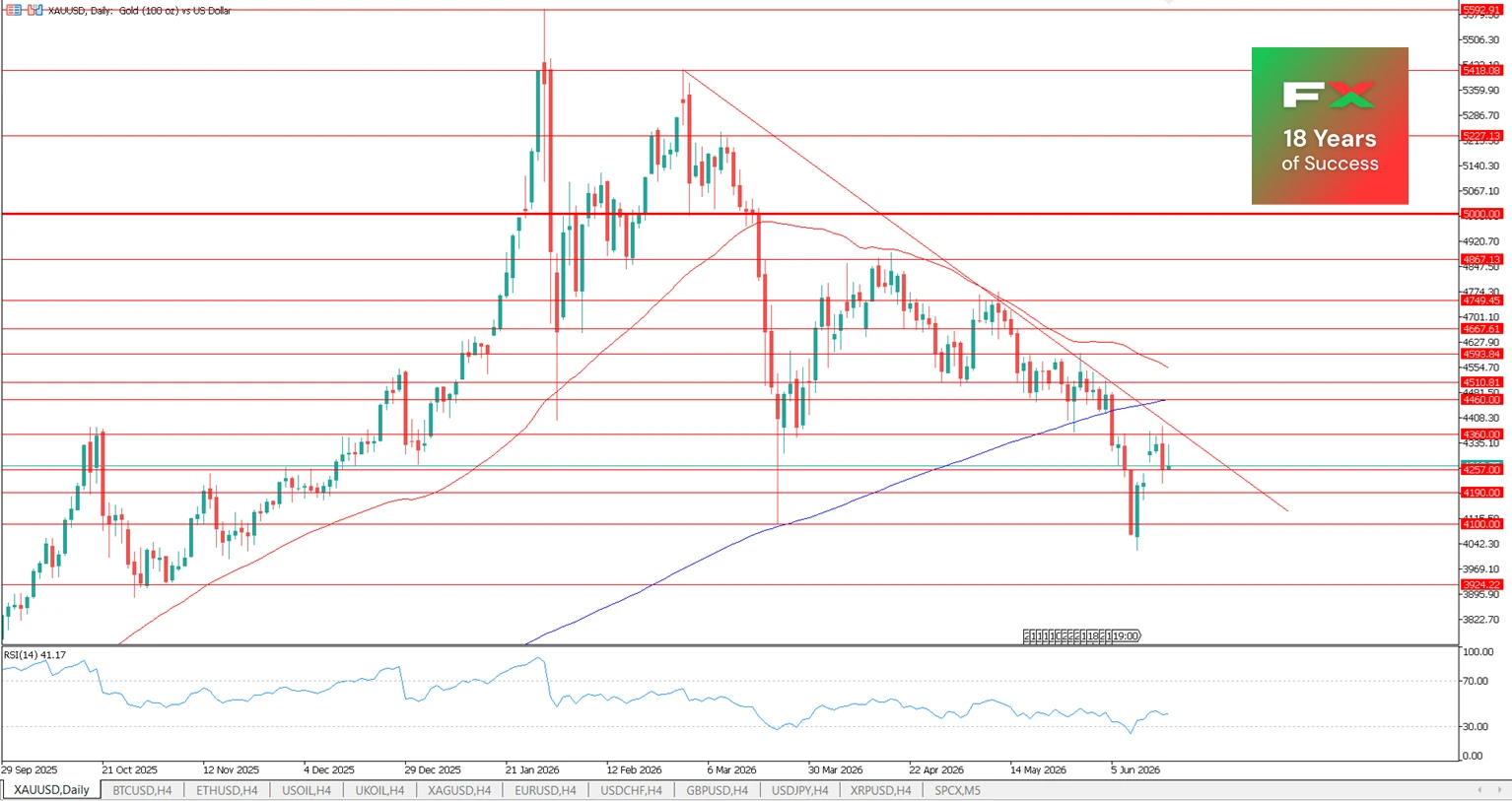
Günlük Grafik Perspektifi
Şekil 1. Haziran 2026 Federal Rezerv kararının ardından oluşan daha geniş düşüş yapısını gösteren XAUUSD Günlük Grafiği.
Günlük grafik şunları göstermeye devam ediyor:
- Daha alçak tepeler
- Daha alçak dipler
- İnen bir trend çizgisi
- Fiyatın önemli uzun vadeli hareketli ortalamaların altında işlem görmesi
Bu, kısa vadeli toparlanmalara rağmen daha geniş düşüş yapısının bozulmadan kaldığını göstermektedir.
H4 Grafik Perspektifi
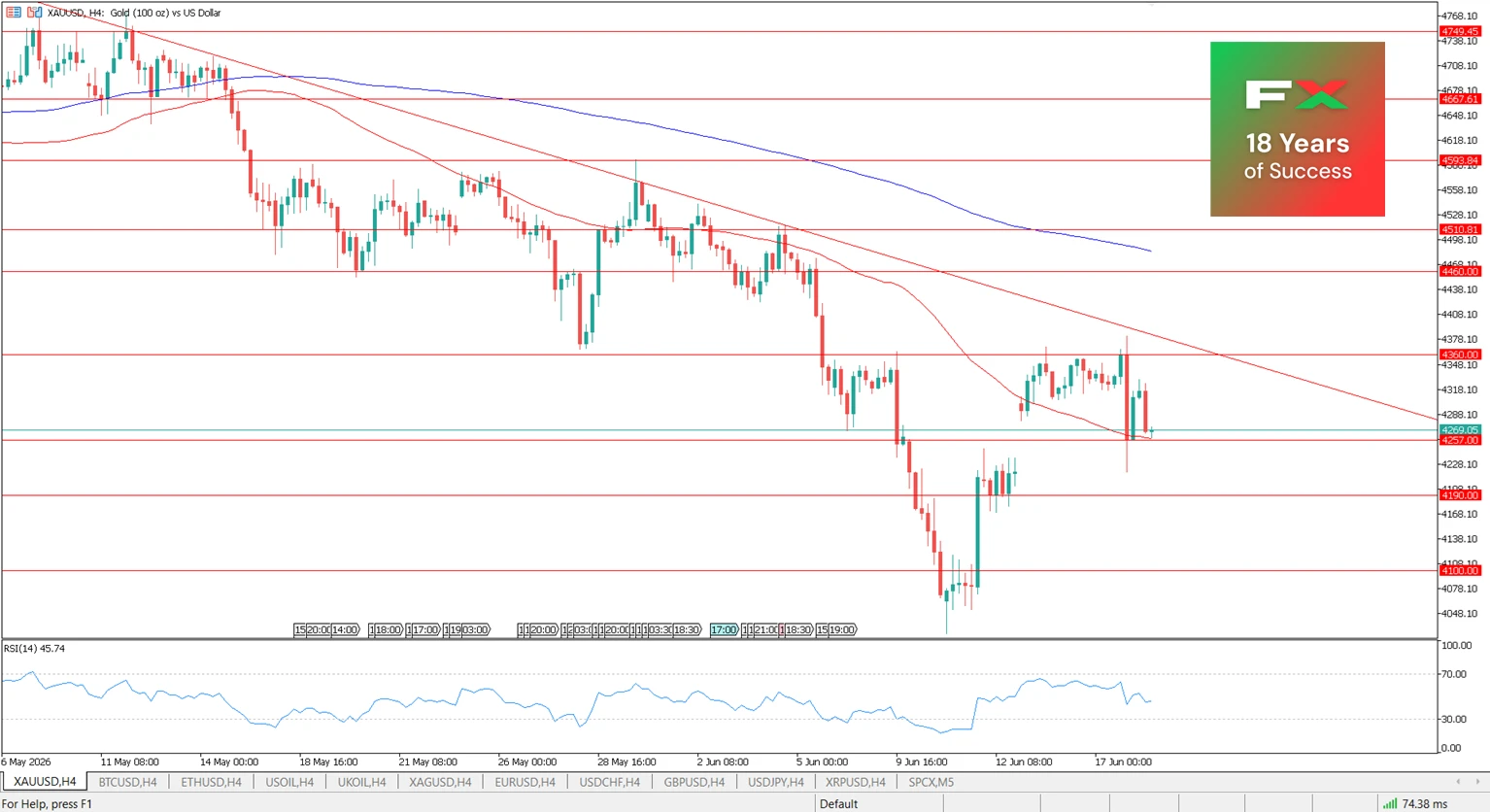
Şekil 2. Hafta sonu gap kapanışının ardından 4257 destek ve 4360 direnç arasındaki konsolidasyonu gösteren XAUUSD H4 Grafiği.
H4 grafiği şunları gösteriyor:
- Yatay konsolidasyon
- Nötr RSI değerleri
- Azalan momentum
- İyi tanımlanmış destek ve direnç seviyeleri
Önemli seviyeler:
- Direnç: 4360
- Destek: 4257
- Daha düşük hedefler: 4190 ve 4100
H1 Grafik Perspektifi
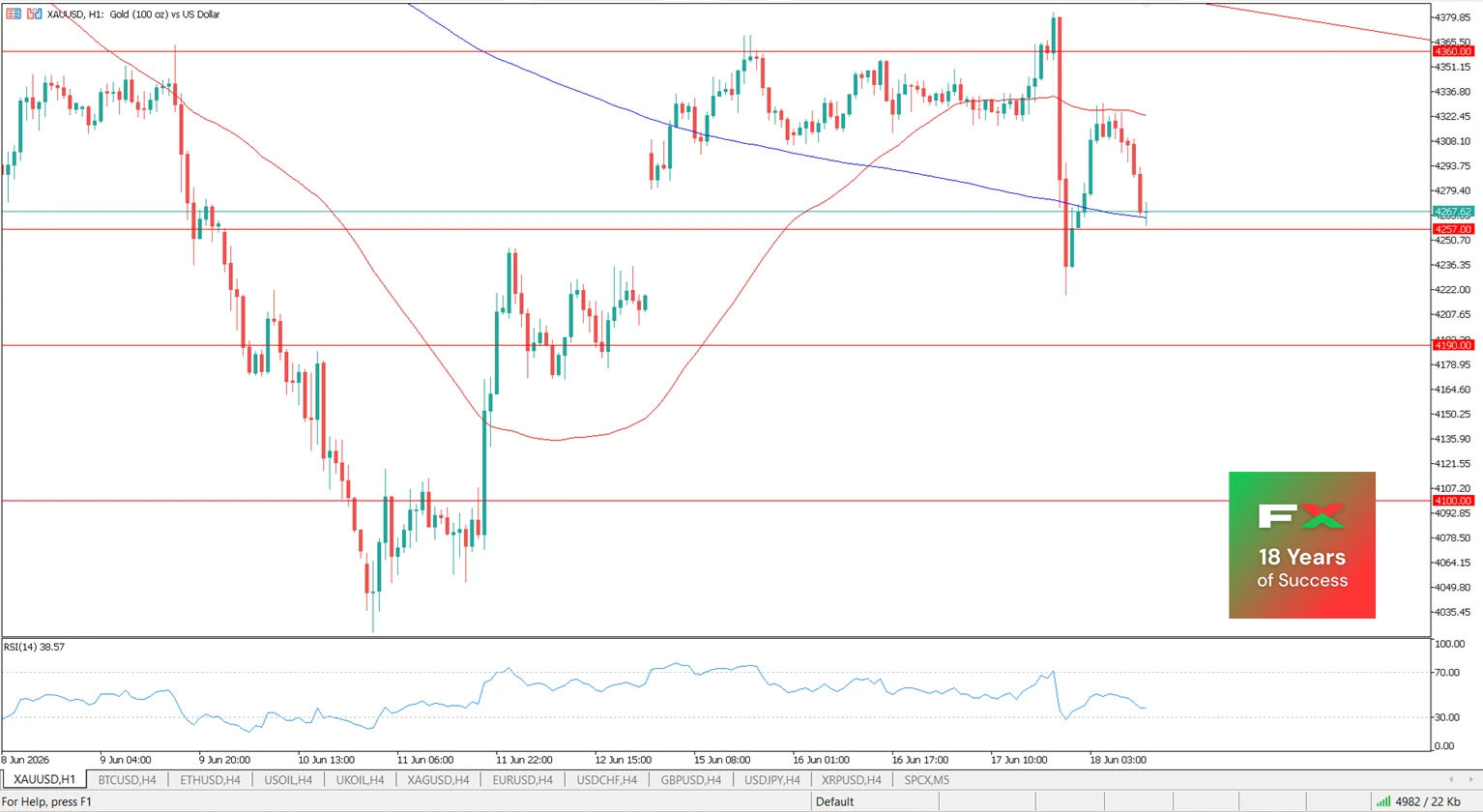
Şekil 3. Federal Rezerv duyurusuna ve ardından gelen jeopolitik gelişmelere piyasanın anlık tepkisini gösteren XAUUSD H1 Grafiği.
H1 grafiği şunları göstermektedir:
- Habere bağlı sert oynaklık
- Hızlı duyarlılık değişimleri
- Yanlış kırılma potansiyeli
- Haber başlıklarına artan hassasiyet
Bu zaman dilimi, birçok altın yatırımcısının önemli duyurular sırasında anlık kararlar almaktan neden kaçındığını göstermektedir.
Yatırımcılar Önemli Haber Olayları Sırasında Altına Nasıl Yaklaşmalıdır?
Önemli makro olaylar sırasında altın işlemi yapmanın tek bir en iyi yolu yoktur.
Birçok deneyimli yatırımcı önce risk yönetimine, ardından işlem yönüne odaklanır.
Federal Rezerv toplantıları, enflasyon açıklamaları, NFP raporları veya jeopolitik duyurular sırasında oynaklık genellikle önemli ölçüde artar ve yanlış kırılmalar daha sık görülür.
Altın Haberlerinde Yaygın Kullanılan Yaklaşımlar
Yaklaşım | Avantajlar | Riskler |
Haberden önce işlem açmak | Hareketin tamamını yakalamak | En yüksek belirsizlik |
Anlık tepkiye göre işlem açmak | Hızlı fırsat | Ani dönüşler ve yanlış kırılmalar |
Onay beklemek | Daha düşük risk | Hareketin bir kısmını kaçırabilir |
Yeniden test işlemine girmek | Daha iyi risk/ödül | Yeniden test hiç gerçekleşmeyebilir |
Altın Haberlerinde İşlem Yapmadan Önce Pratik Kontrol Listesi
✓ Kesin açıklanma zamanını bilin
✓ Önemli destek ve direnç seviyelerini belirleyin
✓ Daha yüksek zaman diliminin trendini kontrol edin
✓ Federal Rezerv beklentilerini takip edin
✓ Yüksek oynaklık dönemlerinde pozisyon büyüklüğünü azaltın
✓ Yön belirsizse onay bekleyin
✓ İlk mumdan sonra duygusal kararlardan kaçının
Gözlemlenen MT4 ve MT5 alım satım davranışı, önemli haberlerden sonraki ilk hareketin her zaman nihai hareket olmadığını göstermektedir.
Yatırımcıların Makro Olaylar Sırasında Yaptığı Yaygın Hatalar
Sorun | Neden | Nasıl Önlenir |
Haberden hemen sonra işlem açmak | Oynaklık ani yükselişleri | Onay bekleyin |
Faiz oranlarını göz ardı etmek | Yalnızca haber başlıklarına odaklanmak | Para politikası beklentilerini takip edin |
Altının savaşlarda her zaman yükseldiğini düşünmek | Aşırı basitleştirme | Tüm piyasa itici güçlerini değerlendirin |
Aşırı büyük pozisyonlar kullanmak | Artan oynaklık | Önemli olaylar sırasında riski azaltın |
Teknik seviyeleri göz ardı etmek | Haber önyargısı | Temel ve teknik analizi birleştirin |
Mumları kovalamak | Fırsatı kaçırma korkusu | Önceden belirlenmiş bir işlem planı izleyin |
Yatırımcılar Makro Olayları Nasıl Takip Edebilir?
Birçok yatırımcı ekonomik takvimleri, piyasa haberlerini ve teknik analizi bir arada kullanır.
Yararlı kaynaklar şunlardır:
- Ekonomik takvimler
- Merkez bankası duyuruları
- Enflasyon raporları
- İstihdam verileri
- Piyasa duyarlılığı göstergeleri
Hem temel katalizörü hem de teknik yapıyı anlamak, genellikle piyasaya dair daha bütünsel bir görüş sağlar.
Ek okuma için bkz:
- Altın Alım Satım Kılavuzu
- Ekonomik Haberler İşlem Stratejinizi Nasıl Etkiler
- NordFX ile Altın Neden İşlem Görmeli
SSS
Altın Federal Rezerv toplantılarından sonra neden hareket eder?
Federal Rezerv kararları, faiz oranı beklentilerini, tahvil getirilerini ve ABD dolarını etkiler; bunların tümü altın fiyatlarını etkiler.
Altın savaşlar sırasında her zaman yükselir mi?
Hayır. Jeopolitik gerginlikler güvenli liman talebini artırabilse de, faiz oranları ve dolar gücü gibi faktörler bu etkiyi dengeleyebilir.
Altın jeopolitik gerginliklere rağmen neden düşebilir?
Yükselen Hazine tahvili getirileri veya daha güçlü bir ABD doları piyasanın hakim itici gücü haline gelirse, altın belirsizlik dönemlerinde bile düşebilir.
Tarım Dışı İstihdam altın için önemli mi?
Evet. NFP, gelecekteki Federal Rezerv politikasına ilişkin beklentileri etkileyebildiği için en yakından takip edilen ekonomik raporlardan biridir.
Önemli haberlerde altın işlemi için en iyi zaman dilimi hangisidir?
Birçok yatırımcı trend yönünü belirlemek için daha yüksek zaman dilimlerini, giriş noktalarını hassaslaştırmak için ise daha düşük zaman dilimlerini kullanır.
Yeni başlayanlar önemli duyurular sırasında altın işlemi yapmalı mı?
Yeni başlayanlar, önemli açıklamalar etrafında oynaklık önemli ölçüde artabileceğinden, önce piyasa tepkilerini gözlemlemekten genellikle fayda sağlar.
Altın haber açıklamalarından önce neden oynak hale gelir?
Piyasalar, önemli duyurulardan önce beklentilerini sürekli olarak ayarlar, bu da işlem hacminde ve fiyat dalgalanmalarında artışa neden olur.
Altın için genellikle haber mi yoksa piyasa beklentileri mi daha önemlidir?
Piyasa beklentileri genellikle daha önemlidir. Altın, çoğu zaman haberin kendisine değil, sonucun yatırımcıların beklediğinden farklı olup olmamasına tepki verir.
Önemli Çıkarımlar
- XAUUSD, makroekonomik ve jeopolitik olaylara son derece hassastır.
- Federal Rezerv kararları, altın fiyatlarının en güçlü itici güçleri arasındadır.
- Altın, savaşlar veya krizler sırasında otomatik olarak yükselmez.
- Piyasa beklentileri genellikle haberin kendisinden daha önemlidir.
- Makro analizi, teknik analizi ve risk yönetimini birleştirmek, yatırımcıların altın fiyat davranışını daha iyi anlamasına yardımcı olabilir.
- Haziran 2026 Federal Rezerv kararı ve ABD-İran geçici anlaşması, birden fazla makro gücün altını aynı anda nasıl etkileyebileceğini göstermektedir.
Yazarla Tanışın
Vanessa Polson, finansal hizmetler sektöründe on iki yılı aşan çevrimiçi pazarlama deneyimine sahip NordFX'te bir pazarlama müdürüdür. Şirket içi ortamlarda arama, sosyal medya ve görüntülü reklam kanallarında veri odaklı kampanyalar geliştirmiş ve yürütmüştür. Çalışmaları, karmaşık finansal ürünleri ve alım satım araçlarını açık ve pratik eğitici içeriklere dönüştürmeye odaklanmakta olup bu da ona küresel alım satım ortamına dair geniş ve kapsamlı bir bakış açısı kazandırmaktadır.
Vanessa ile LinkedIn'de bağlantı kurun.
Geri dön Geri dön