ウォレットなしで仮想通貨を取引することはできますか?
はい。ウォレットなしで仮想通貨を取引することは、暗号通貨 CFD を通じて可能です。仮想通貨取引所でビットコインを購入するのとは異なり、仮想通貨CFD取引によりトレーダーは基礎となるコインを所有することなく仮想通貨の価格動向を推測することができます。暗号通貨は購入または保管されていないため、ウォレットや秘密鍵、シードフレーズ、ブロックチェーン転送は必要ありません。
ウォレットなしで暗号通貨を取引できますか?
はい、ウォレットなしで暗号通貨を取引できます。
多くのトレーダーは、ビットコインやイーサリアム、その他のデジタル資産を所有していなくても仮想通貨市場に参加しています。代わりに、彼らは暗号通貨の価格動向を追跡する暗号CFD(差額契約)を取引しています。トレーダーは実際の仮想通貨を所有していないため、ウォレットや秘密鍵、ブロックチェーン取引、または仮想通貨ストレージは必要ありません。
このアプローチは、長期的な所有権よりも市場の動きに関心のあるアクティブなトレーダーが一般的に使用しています。
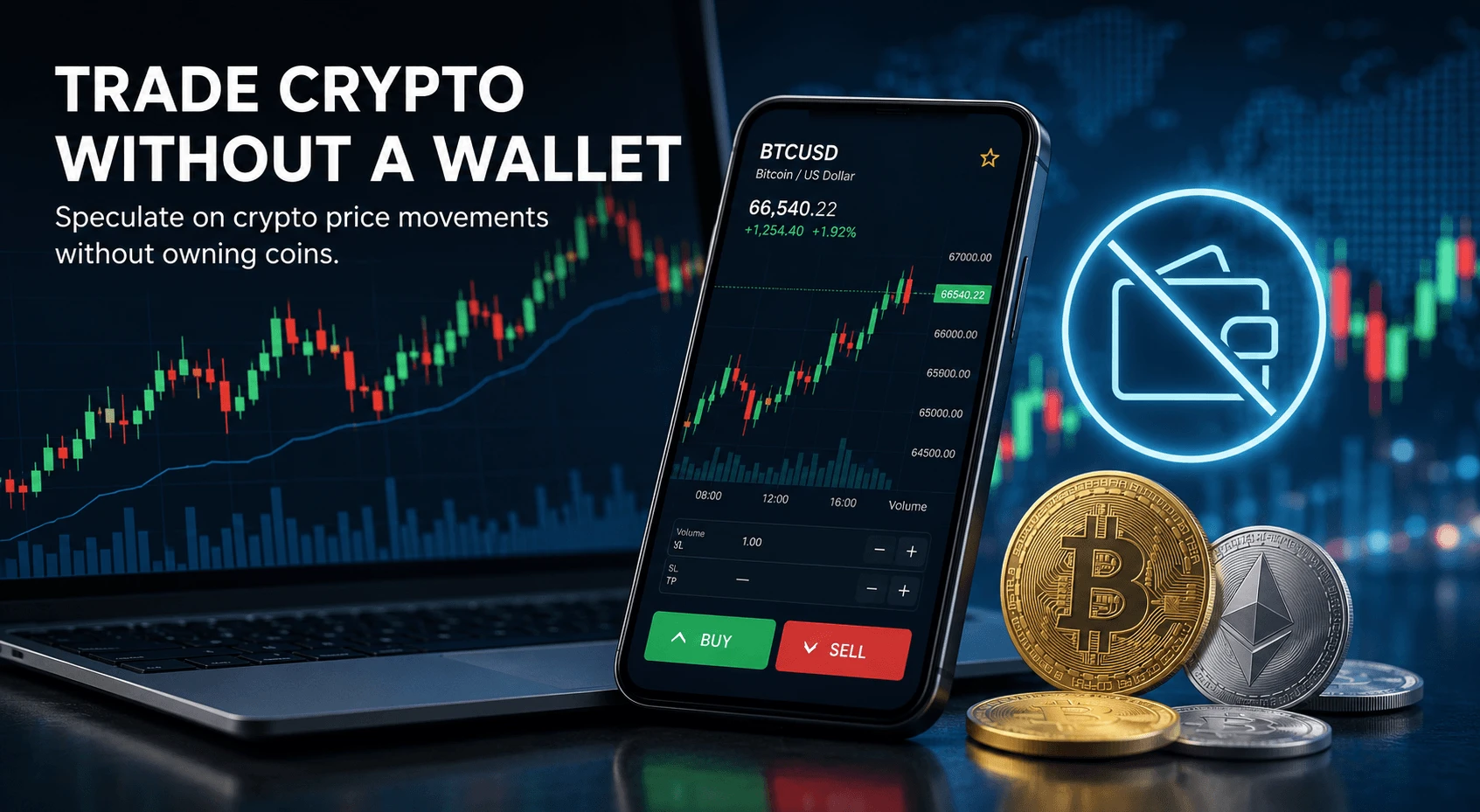
ウォレットなしで暗号通貨を取引することはどういう意味ですか?
ウォレットなしで暗号通貨を取引することは、実際の資産を購入したり保管したりすることなく暗号通貨の価格を推測することを意味します。
定義:
暗号通貨CFD は、トレーダーが基礎となる暗号通貨を所有することなく、暗号通貨の価格動向に基づいて利益または損失を計上することを可能にする金融商品です。
たとえば、トレーダーはビットコインを購入したり受け取ったりしていない場合でも、ビットコイン価格が上昇した場合にBTCUSDポジションを開設することができ、潜在的に利益を得ることができます。
焦点はデジタル資産を所有することではなく、取引価格の動きにあります。
ビットコインを取引するにはビットコインを所有する必要がありますか?
いいえ。
多くの人は、ビットコインを取引するにはまずビットコインを購入する必要があると考えています。実際には、BTCUSD などの商品により、トレーダーは仮想通貨自体を購入することなくビットコインの価格変動に参加できます。
トレーダーは市場へのエクスポージャーを獲得しますが、所有権は取引とは分離されています。
これは、仮想通貨CFD取引と従来の仮想通貨投資との最大の違いの1つです。
ウォレットなしで仮想通貨取引を行うにはどうすればよいですか?
プロセスは簡単です:
- 暗号通貨CFDを提供するブローカーで取引口座を開設します。
- MetaTrader 4(MT4)やMetaTrader 5(MT5)などの取引プラットフォームにアクセスします。
- クレジットカード、決済システム、銀行振込などの従来の支払い方法を使用して資金を入金します。
- BTCUSDやETHUSDなどの仮想通貨商品を選択してください。
- 市場を分析してください。
- 買いまたは売りのポジションを開きます。
- 目標またはリスクレベルに達した時点で取引を終了します。
トレーダーに暗号通貨が転送されることはありません。
ブロックチェーン取引は行われません。
暗号通貨CFDを取引するのに暗号通貨ウォレットは必要ありません。ただし、仮想通貨を使用してアカウントに資金を供給することを選択した場合、ウォレットが必要になる場合があります。
ブローカーと暗号取引所による暗号通貨取引
多くの初心者はブローカーと暗号通貨取引所を混同しています。
主な違いは、トレーダーが暗号通貨を所有したいのか、単にその価格を取引したいのかということです。
機能 | 暗号通貨 CFD ブローカー | 暗号通貨取引所 |
ウォレットが必要 | いいえ | 通常はい |
暗号通貨の所有 | いいえ | はい |
秘密鍵が必要 | いいえ | はい |
ブロックチェーン転送 | いいえ | はい |
買いポジション | はい | はい |
売り(ショート)ポジション | はい | 取引所による |
目的 | 取引価格の動き | 所有権と譲渡 |
保管責任 | 不要 | ユーザーの責任 |
アクティブな取引が目的の場合、多くのトレーダーはウォレットの管理と保管に関する懸念を解消するため、CFDを好みます。
実際に暗号通貨ウォレットが必要なのはどのような場合ですか?
一般的に、暗号通貨を所有および保管したり、暗号通貨で取引資金を調達したりしたい場合に暗号通貨ウォレットが必要です。
一般的に、以下のことをしたい場合にウォレットが必要です:
- 実際のビットコインやその他の暗号通貨を購入する
- 他人から暗号通貨を受け取る
- 暗号通貨を別のウォレットに送る
- 暗号通貨を長期保管する
- ブロックチェーンベースのアプリケーションを使用する
- 仮想通貨で取引口座を入金する
単に仮想通貨の価格変動を取引することが目的である場合、ウォレットは必要ないかもしれません。
ウォレットなしで暗号通貨を取引する利点は何ですか?
セットアップが簡単
暗号通貨ウォレットを作成または管理する必要はありません。
秘密鍵のリスクがない
トレーダーは秘密鍵やリカバリーフレーズを保護する必要はありません。
市場へのアクセスが速い
取引口座を開設して資金を調達した直後に取引を開始できます。
上昇相場と下降相場を取引できる
多くの暗号通貨CFD商品では、トレーダーは買いと売りの両方のポジションを開くことができます。
ブロックチェーン管理が不要
ネットワーク手数料、ウォレット転送、ブロックチェーン確認を管理する必要はありません。
欠点は何ですか?
ウォレットなしで暗号通貨を取引することは、すべての目的に適しているわけではありません。
所有権がない
トレーダーはビットコインやその他の暗号通貨を所有していません。
ブロックチェーンへのアクセスがない
トレーダーはコインを転送したり、ブロックチェーンアプリケーションを使用することはできません。
長期保有向けに設計されていない
長期的な仮想通貨所有権を求める投資家は、実際のコインを好むかもしれません。
最適な選択肢は、目標が取引か所有権かによって異なります。
実用例:ウォレットなしでMT5でBTCUSDを取引
あるトレーダーがビットコインの価値が上昇する可能性があると信じていると仮定しましょう。
トレーダーはMT5を開き、BTCUSDチャートを選択し、テクニカル分析を行い、購入ポジションを開きます。
ビットコインが上昇した場合、そのポジションは利益を生み出す可能性があります。
ビットコインが下落した場合、このポジションは損失を生む可能性があります。
プロセス全体を通して:
- ビットコインは購入されません
- ウォレットは作成されません
- 秘密鍵は必要ありません
- ブロックチェーン取引は行われません
トレーダーはビットコインを所有することなくビットコインの価格変動に参加しています。
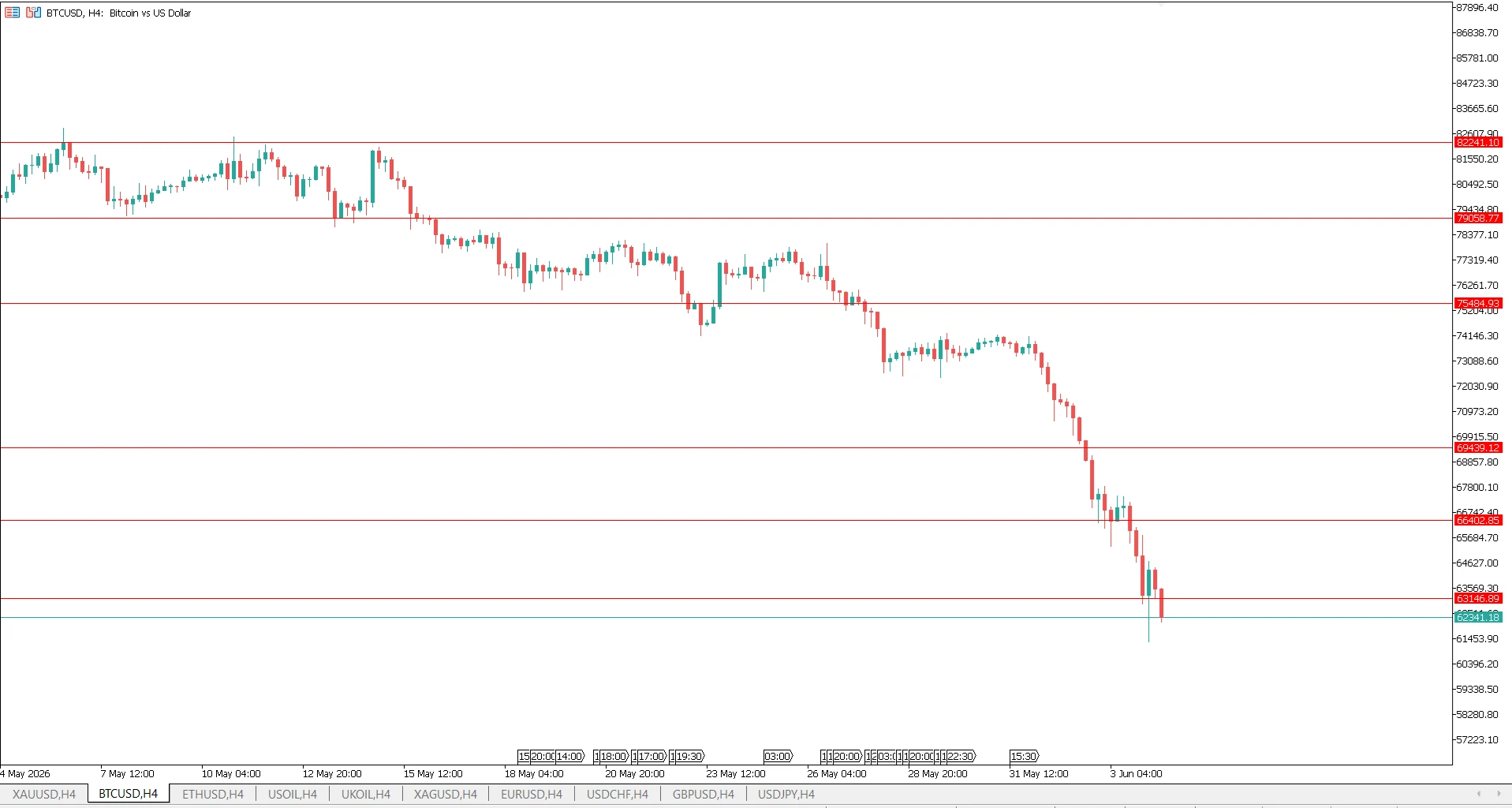
ウォレットなしで暗号通貨を取引する場合のよくある間違い
問題 | 理由 | 回避する方法 |
ビットコインを所有していると思い込む | CFDは所有権を表すものではありません | 取引前に商品を理解すること |
ボラティリティを無視する | 暗号通貨市場は急速に動く可能性があります | ストップロスとポジションサイズ設定を使用する |
過度なレバレッジを使用する | ポジションが大きいほどリスクが増加します | リスク管理ルールを適用する |
ブローカーと取引所を混同する | これらは異なる目的を果たしています | 目標が取引なのか所有なのかを理解すること |
利益のみに焦点を当てる | リスクは見過ごされがちです | 取引を開始する前にリスクを定義すること |
ウォレットなしで暗号通貨を取引することはあなたにとって適切ですか?
ウォレットなしで暗号通貨を取引することは次の場合に適している可能性があります:
- 仮想通貨価格を推測したい場合
- 仮想通貨を所有する必要がない場合
- よりシンプルな市場アクセスを好む場合
- ウォレットと秘密鍵の管理を避けたい場合
- 長期保管よりもアクティブな取引に重点を置いている場合
次の場合、暗号通貨を所有することがより適切である可能性があります:
- デジタル資産を長期的に保有したい場合
- ウォレット間で暗号通貨を転送する予定がある場合
- ブロックチェーンを直接所有したい場合
どちらのアプローチも普遍的に優れているわけではありません。これらは単に異なる目的を果たすだけです。
よくある質問
ビットコインを所有せずにビットコインを取引することはできますか?
はい。BTCUSD CFDを使用すると、トレーダーはビットコインを購入することなくビットコインの価格動向を推測することができます。
仮想通貨CFD取引にはウォレットが必要ですか?
いいえ。暗号通貨CFD取引には暗号通貨ウォレットは必要ありません。
暗号通貨CFD取引は暗号通貨を購入することと同じですか?
いいえ。CFDは価格エクスポージャーを提供し、仮想通貨を購入することは所有権を提供します。
ウォレットなしで仮想通貨取引でお金を稼ぐことはできますか?
トレーダーは市場の動きや取引の決定に応じて利益を得たり損失を被ったりすることがあります。
ビットコインを所有せずにショートすることはできますか?
はい。多くの暗号通貨CFD商品では、トレーダーは売りポジションを開くことができます。
初心者が暗号通貨市場にアクセスする最も簡単な方法は何ですか?
多くの初心者は、ウォレットの設定や暗号通貨の保管を回避できるため、暗号通貨CFD取引がより簡単であると感じています。
重要なポイント
- ウォレットなしで暗号通貨CFDを通じて暗号通貨を取引できます。
- 暗号通貨CFDは、所有権なしで価格変動へのエクスポージャーを提供します。
- ウォレット、秘密鍵、またはブロックチェーン転送は必要ありません。
- 取引と所有は、暗号通貨市場に対する2つの異なるアプローチです。
- 最適な選択は、目標が投機なのか長期所有なのかによって異なります。
関連資料
著者の紹介
ヴァネッサ・ポルソンは、金融サービス業界におけるオンラインマーケティングで12年以上の経験を持つNordFXのマーケティングマネージャーです。彼女は社内環境で検索、ソーシャル、ディスプレイチャネルにわたってデータ駆動型キャンペーンを開発および実施しました。彼女の仕事は、複雑な金融商品や取引ツールを明確で実践的な教育コンテンツに変換することに重点を置いており、グローバルな取引状況について幅広く包括的な見解を提供しています。
LinkedInでヴァネッサとつながりましょう。
編集注記:
この記事は教育目的のみを目的としており、投資や取引に関するアドバイスとみなされるべきではありません。
戻る 戻る