Cập nhật lần cuối: Tháng 6 năm 2026
Giao dịch vàng là gì và hoạt động như thế nào?
Giao dịch vàng là quá trình đầu cơ vào biến động giá vàng để kiếm lợi nhuận, mà không cần sở hữu vàng vật chất. Nhà giao dịch thường sử dụng các công cụ như CFD để mở vị thế mua hoặc bán, với giá vàng được chi phối bởi các yếu tố như lãi suất, lạm phát, đồng USD và sự bất ổn kinh tế toàn cầu.
Vàng là một trong những tài sản được giao dịch tích cực nhất trên thế giới nhờ tính thanh khoản cao và phản ứng mạnh với các sự kiện kinh tế vĩ mô. Hầu hết nhà giao dịch cá nhân tiếp cận thị trường thông qua cặp XAUUSD trên các nền tảng như MT4 và MT5, cho phép họ giao dịch cả khi thị trường tăng và giảm với đòn bẩy.
Hướng dẫn này cung cấp một khung thực tế, rõ ràng cho giao dịch vàng — bao gồm cách thị trường vận hành, yếu tố nào làm giá biến động, khi nào nên giao dịch và cách quản lý rủi ro trong điều kiện giao dịch thực tế.
Điểm chính
- Giao dịch vàng tập trung vào biến động giá, không phải sở hữu vật chất
- Vàng được niêm yết toàn cầu bằng đô la Mỹ dưới ký hiệu XAUUSD
- Nhà giao dịch có thể kiếm lợi nhuận từ cả giá vàng tăng và giảm
- Giá vàng chịu tác động từ lãi suất, lạm phát, sức mạnh USD và các sự kiện toàn cầu
- Biến động và đòn bẩy tạo ra cơ hội nhưng đòi hỏi quản trị rủi ro chặt chẽ
Giao dịch vàng là gì?
Giải thích đơn giản
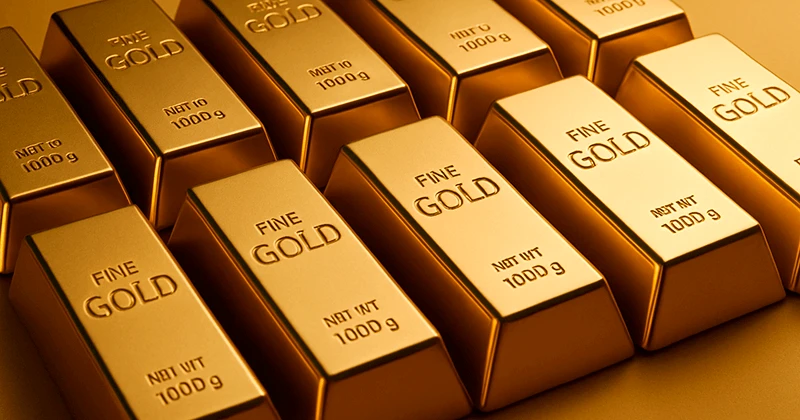
Giao dịch vàng là quá trình mua và bán vàng (hoặc các công cụ dựa trên vàng) để kiếm lợi nhuận từ biến động giá, thay vì sở hữu vàng vật chất.
Vàng được giao dịch trên toàn cầu và định giá bằng đô la Mỹ. Nhà giao dịch cố gắng dự đoán giá sẽ tăng hay giảm và vào lệnh tương ứng.
XAUUSD là gì?
XAUUSD là ký hiệu của vàng được báo giá so với đô la Mỹ.
- XAU đại diện cho một ounce troy vàng
- USD là đô la Mỹ
Nếu XAUUSD đang giao dịch ở mức 4.550, điều đó có nghĩa là một ounce vàng được định giá 4.550 USD trên thị trường.
Hầu hết nhà giao dịch cá nhân tiếp cận vàng thông qua XAUUSD trên các nền tảng như MT4 và MT5.
Giao dịch vàng hoạt động như thế nào trong thực tế
Trong giao dịch CFD, vàng được giao dịch dưới dạng hợp đồng với kích thước cố định.
Cấu trúc hợp đồng điển hình:
- 1.00 lot = 100 ounce vàng
- Biến động giá $1 = $100 cho mỗi lot
Ví dụ:
- Vàng tăng từ 4550 → 4551
- Vị thế 1 lot = lãi hoặc lỗ $100
Các vị thế nhỏ hơn:
- 0.10 lot = 10 ounce
- 0.01 lot = 1 ounce
Điều này cho phép linh hoạt trong việc xác định khối lượng vị thế tùy theo rủi ro.
Các cách giao dịch vàng
Có ba cách chính để nhà giao dịch tiếp cận thị trường vàng:
1. Vàng vật chất
Tiền xu, thỏi vàng, trang sức.
- Sở hữu hoàn toàn
- Cần lưu trữ và phát sinh chi phí
- Phục vụ mục đích dài hạn
2. Công cụ tài chính (ETF, hợp đồng tương lai)
- Được giao dịch trên sàn
- Yêu cầu vốn lớn hơn
- Hợp đồng tương lai có ngày đáo hạn
3. CFD vàng (XAUUSD)
- Phổ biến nhất với nhà giao dịch cá nhân
- Không sở hữu vật chất
- Giao dịch hai chiều
- Sử dụng đòn bẩy
Đặc điểm chính của XAUUSD
- Được giao dịch giống như các cặp tiền tệ (bid/ask)
- Có trên MT4 và MT5
- Hỗ trợ cả lệnh mua và bán
- Thanh khoản cao và biến động mạnh
- Thường có chi phí thấp hơn so với thị trường vàng vật chất hoặc tương lai
Bắt đầu giao dịch vàng như thế nào
Sau khi hiểu cách giao dịch vàng hoạt động, bước tiếp theo là thực hiện giao dịch đầu tiên của bạn. Quy trình khá đơn giản và tương tự trên hầu hết các nền tảng.
1. Mở và nạp tiền vào tài khoản
- Đăng ký với một nhà môi giới
- Hoàn tất xác minh
- Chọn loại tài khoản
- Nạp tiền
👉 Người mới nên bắt đầu bằng tài khoản demo.
2. Chọn nền tảng của bạn (MT4 hoặc MT5)
- MT4 — đơn giản và được sử dụng rộng rãi
- MT5 — nâng cao hơn với nhiều tính năng bổ sung
Đăng nhập và đảm bảo nền tảng của bạn đã kết nối.
3. Tìm XAUUSD
- Mở Market Watch
- Thêm XAUUSD
- Mở biểu đồ
- Nhấn New Order
4. Thiết lập thông số giao dịch
Trước khi đặt lệnh, hãy xác định:
- Kích thước vị thế (dựa trên mức rủi ro của bạn)
- Mức dừng lỗ
- Mức chốt lời
👉 Luôn xác định rủi ro trước khi vào lệnh.
5. Thực hiện và quản lý giao dịch
- Vào vị thế (mua hoặc bán)
- Theo dõi biến động giá
- Điều chỉnh stop-loss nếu cần
- Đóng lệnh theo kế hoạch của bạn
Lưu ý
Mặc dù thao tác đặt lệnh trông có vẻ đơn giản, kết quả thực tế phụ thuộc vào các yếu tố như spread, hoa hồng, biến động và điều kiện thị trường — vì vậy chuẩn bị và kiểm soát rủi ro là rất quan trọng.
Khi nào là thời điểm tốt nhất để giao dịch vàng?
Thời điểm tốt nhất để giao dịch vàng là khi thanh khoản và biến động đều ở mức lành mạnh nhưng không quá hỗn loạn. Với XAUUSD, đó thường là trong phiên London và New York, đặc biệt khi hai phiên chồng lấp nhau. Trong giai đoạn này, spread thường hẹp hơn và biến động giá rõ ràng hơn.
Phiên giao dịch và XAUUSD
Thị trường Forex/CFD toàn cầu có ba phiên chính:
- Châu Á (Tokyo, khoảng 00:00–09:00 theo giờ nền tảng, tùy nhà môi giới)
- London (khoảng 08:00–17:00)
- New York (khoảng 13:00–22:00)
Vàng được giao dịch gần như 24 giờ trong các ngày làm việc, nhưng mức độ hoạt động không đồng đều. So sánh đơn giản:
Phiên | Thanh khoản cho XAUUSD | Biến động điển hình | Ghi chú |
Châu Á | Thấp hơn | Thường yên ả hơn, đi ngang | Phù hợp với giao dịch trong biên độ, lướt sóng các biến động nhỏ |
London | Cao | Biến động theo xu hướng mạnh | Thường tạo ra xu hướng chính trong ngày |
New York | Cao | Tăng vọt quanh tin tức | Các số liệu kinh tế Mỹ quan trọng có thể làm vàng biến động mạnh |
Giao thoa London–New York | Rất cao | Thường mạnh nhất | Khung thời gian được nhiều nhà giao dịch ưa thích |
Phần lớn nhà giao dịch vàng trong ngày tập trung vào phiên London và khoảng giao thoa London–New York. Ở đây, spread thường hẹp, thanh khoản dồi dào và các mô hình kỹ thuật đáng tin cậy hơn vì có nhiều người tham gia lớn hoạt động.
Spread, thanh khoản và trượt giá
- Trong giờ thanh khoản cao, spread bid–ask của XAUUSD có thể rất thấp, đặc biệt với giá 0 spread trên một số loại tài khoản. Trượt giá thường rất nhỏ trong điều kiện bình thường.
- Trong thời gian thanh khoản thấp (cuối phiên New York, đầu phiên châu Á), spread có thể giãn rộng và khớp lệnh có thể bị trượt, đặc biệt quanh khoảng trống giá hoặc sổ lệnh mỏng.
- Trong các tin tức lớn, spread có thể nới rộng và trượt giá có thể tăng mạnh trong vài giây hoặc vài phút.
Khi nào nên thận trọng hoặc đứng ngoài
Nên đặc biệt cẩn trọng hoặc đứng ngoài khi:
- Các số liệu kinh tế Mỹ lớn: Non-Farm Payrolls (NFP), CPI, PPI, GDP, ISM, số liệu thất nghiệp.
- Các cuộc họp và họp báo của ngân hàng trung ương (đặc biệt là Cục Dự trữ Liên bang).
- Các sự kiện địa chính trị bất ngờ hoặc tiêu đề tin tức gây sốc.
- Các kỳ nghỉ và ngày giao dịch rút ngắn (ví dụ quanh Giáng sinh, Năm mới, các ngày lễ lớn của Mỹ) khi thanh khoản rất mỏng.
- Giờ cuối trước khi thị trường đóng cửa tuần và giờ đầu sau khi mở cửa tuần (để tránh khoảng trống cuối tuần).
Một số nhà giao dịch chuyên giao dịch tin tức, nhưng điều này đòi hỏi kinh nghiệm và quy tắc quản trị rủi ro riêng. Với hầu hết người mới, tập trung vào điều kiện “bình thường”, thanh khoản cao là cách an toàn hơn để xây dựng kỹ năng. Để tìm hiểu sâu hơn, xem Thời điểm tốt nhất để giao dịch vàng (XAUUSD): Phiên, biến động và tin tức.
Điều gì làm giá vàng biến động: Yếu tố cơ bản và tin tức
Giá vàng được dẫn dắt bởi sự kết hợp của các yếu tố kinh tế vĩ mô, tài chính và địa chính trị. Hiểu các yếu tố này giúp bạn giải thích vì sao XAUUSD di chuyển và tránh bị bất ngờ bởi các cú tăng/giảm tưởng như ngẫu nhiên.
Các động lực cơ bản chính
1. Lãi suất thực
Lãi suất thực là lãi suất danh nghĩa trừ đi lạm phát. Khi lãi suất thực giảm hoặc được kỳ vọng duy trì ở mức thấp, việc nắm giữ tiền mặt hoặc trái phiếu trở nên kém hấp dẫn hơn, và vàng (không sinh lợi suất) thường trở nên hấp dẫn hơn. Lãi suất thực giảm có thể hỗ trợ vàng; lãi suất thực tăng có thể gây áp lực lên vàng.
2. Kỳ vọng lạm phát
Vàng được xem là hàng rào chống lạm phát. Lạm phát tăng hoặc kỳ vọng lạm phát tương lai tăng thường kích hoạt nhu cầu vàng khi nhà đầu tư tìm kiếm tài sản có thể bảo toàn sức mua. Tuy nhiên, mối quan hệ này không phải lúc nào cũng tuyến tính, vì các ngân hàng trung ương có thể bù lại lạm phát bằng các đợt tăng lãi suất mạnh.
3. Sức mạnh đồng USD
XAUUSD được niêm yết bằng đô la Mỹ, vì vậy sức mạnh hay sự suy yếu của USD có ảnh hưởng lớn. USD mạnh hơn thường đẩy giá vàng xuống (cần ít đô la hơn để mua cùng một ounce), trong khi USD yếu hơn thường hỗ trợ giá vàng cao hơn. Đó là lý do nhiều nhà giao dịch theo dõi Chỉ số Đô la Mỹ (DXY) cùng với XAUUSD.
4. Tâm lý ưa/rời bỏ rủi ro
Trong môi trường né tránh rủi ro (lo sợ trên thị trường, chứng khoán giảm, căng thẳng địa chính trị), vàng thường hưởng lợi từ dòng tiền trú ẩn an toàn. Trong môi trường ưa rủi ro (lạc quan, cổ phiếu tăng), vốn có thể rời vàng để chảy vào các tài sản có lợi suất cao hơn hoặc mang tính đầu cơ hơn.
Các sự kiện kinh tế quan trọng và tác động của chúng
Một số sự kiện tin tức quan trọng nhất đối với vàng bao gồm:
- Non-Farm Payrolls (NFP): Dữ liệu việc làm mạnh có thể củng cố kỳ vọng lãi suất cao hơn, thường bất lợi cho vàng; dữ liệu yếu có thể tạo tác động ngược lại.
- CPI và các dữ liệu lạm phát khác: Lạm phát cao ban đầu có thể đẩy vàng lên, nhưng nếu dẫn tới kỳ vọng tăng lãi suất mạnh, phản ứng có thể trái chiều.
- FOMC và phát biểu của Fed: Thay đổi lãi suất, định hướng tương lai và giọng điệu về lạm phát và tăng trưởng có thể tác động mạnh đến cả USD và vàng.
- GDP, PMI, khảo sát ISM: Những dữ liệu này định hình kỳ vọng về tăng trưởng kinh tế và chính sách tiền tệ.
- Sự kiện địa chính trị: Xung đột, trừng phạt hoặc khủng hoảng chính trị có thể thúc đẩy nhu cầu trú ẩn vào vàng.
Ví dụ phản ứng:
- NFP mạnh: Giả sử NFP cao hơn rất nhiều so với kỳ vọng và tỷ lệ thất nghiệp giảm. Nhà giao dịch có thể dự đoán chính sách tiền tệ thắt chặt hơn, làm USD mạnh lên và đẩy vàng giảm. XAUUSD có thể giảm mạnh trong vài phút sau khi công bố.
- CPI yếu: Nếu dữ liệu lạm phát yếu hơn dự báo, thị trường có thể kỳ vọng ngân hàng trung ương ôn hòa hơn. USD có thể yếu đi và vàng có thể bật tăng khi nhà giao dịch định giá lại lãi suất tương lai.
Kết hợp dữ liệu cơ bản với phân tích kỹ thuật giúp bạn tránh giao dịch mù quáng trước các sự kiện lớn. Để xem tổng quan chi tiết hơn về yếu tố cơ bản, tham khảo Các động lực cơ bản và tin tức kinh tế làm di chuyển vàng (XAUUSD) và Quản lý rủi ro khi giao dịch vàng: Xác định khối lượng vị thế và kiểm soát biến động.

Các chiến lược giao dịch vàng cốt lõi
Không có một chiến lược “tốt nhất” duy nhất cho XAUUSD. Thay vào đó, nhà giao dịch chọn cách tiếp cận phù hợp với thời gian, mức chịu rủi ro và cá tính của họ. Vàng phù hợp với nhiều phong cách giao dịch chính.
Các phong cách giao dịch trên XAUUSD
1. Scalping và giao dịch trong ngày
Scalper và day trader giữ vị thế trong vài phút đến vài giờ, nhắm tới các biến động nhỏ (ví dụ 1–10 USD). Họ dựa vào spread hẹp, hoa hồng thấp và khớp lệnh nhanh. Biến động của vàng có thể tạo ra nhiều cơ hội trong ngày.
Nhà giao dịch swing giữ vị thế từ vài ngày đến vài tuần, tìm kiếm các biến động lớn hơn (50–200 USD mỗi ounce hoặc hơn). Họ dựa vào khung thời gian cao hơn (H4, daily) và kết hợp phân tích kỹ thuật và cơ bản.
3. Giao dịch theo vị thế
Nhà giao dịch theo vị thế giữ vàng trong vài tuần đến vài tháng, thường dựa trên quan điểm vĩ mô như chính sách ngân hàng trung ương, xu hướng lạm phát hoặc tâm lý rủi ro dài hạn. Họ có thể dùng đòn bẩy thấp hơn và stop rộng hơn, ít tập trung vào nhiễu trong ngày.
Chiến lược ví dụ 1: Phá vỡ khỏi vùng tích lũy
Thiết lập:
- Khung thời gian: M15 hoặc H1
- Điều kiện thị trường: Vàng đi ngang trong một biên độ hẹp (ví dụ 2285–2300) trong vài giờ.
- Vào lệnh: Đặt lệnh chờ hơi trên kháng cự và dưới hỗ trợ. Ví dụ, buy stop tại 2301, sell stop tại 2284.
- Stop-loss: Với breakout mua, đặt dưới giữa biên độ; với breakout bán, đặt trên giữa biên độ.
- Take-profit: Nhắm ít nhất 1.5–2 lần kích thước stop.
Chiến lược này nhằm bắt các cú di chuyển mạnh khi vàng thoát khỏi vùng nén, thường được kích hoạt bởi tin tức hoặc khi một phiên thanh khoản cao bắt đầu. Spread và hoa hồng thấp sẽ cải thiện kết quả ròng của bạn, nhất là khi bạn thực hiện nhiều lần thử breakout nhỏ.
Chiến lược ví dụ 2: Pullback trong xu hướng
Thiết lập:
- Khung thời gian: H1 hoặc H4
- Xu hướng: Dùng đường trung bình động (ví dụ 50 kỳ) để xác định hướng. Nếu giá liên tục nằm trên MA, xu hướng là tăng.
- Vào lệnh: Chờ pullback về MA hoặc một mức hỗ trợ trước đó, sau đó tìm tín hiệu giá tăng (ví dụ nến từ chối) để vào lệnh mua.
- Stop-loss: Dưới đáy swing gần nhất.
- Take-profit: Tại đỉnh gần nhất hoặc mục tiêu đo bằng mức rủi ro của bạn.
Cách tiếp cận này cố gắng vào lệnh ở mức giá tốt hơn trong một xu hướng đang diễn ra thay vì đuổi theo các cú spike.
Chiến lược ví dụ 3: Giao dịch trong biên độ gần hỗ trợ và kháng cự
Thiết lập:
- Khung thời gian: M30 hoặc H1
- Điều kiện thị trường: Vàng dao động giữa vùng hỗ trợ và kháng cự rõ ràng (ví dụ 2250 và 2300) mà không có tin tức mạnh.
- Vào lệnh: Mua gần hỗ trợ với stop chặt ngay dưới; bán gần kháng cự với stop chặt ngay trên.
- Take-profit: Ở phía đối diện của vùng hoặc một mục tiêu chốt lời hợp lý trong biên độ.
Giao dịch trong biên độ hoạt động tốt nhất trong các giai đoạn yên tĩnh và có thể kết hợp với các oscillator như RSI hoặc Stochastic để xác định thời điểm vào lệnh.
Dù bạn dùng chiến lược nào, tính nhất quán và quản lý rủi ro quan trọng hơn bất kỳ thiết lập “thần kỳ” nào. Để tìm hiểu sâu hơn về các phương pháp giao dịch vàng cụ thể, xem Chiến lược giao dịch vàng: Giao dịch trong ngày, swing và theo xu hướng trên XAUUSD.
Đọc biểu đồ và chỉ báo vàng
Biểu đồ vàng hoạt động giống các thị trường thanh khoản khác nhưng có nhịp điệu và hồ sơ biến động riêng. Học cách đọc đúng là kỹ năng then chốt của bất kỳ nhà giao dịch XAUUSD nào.
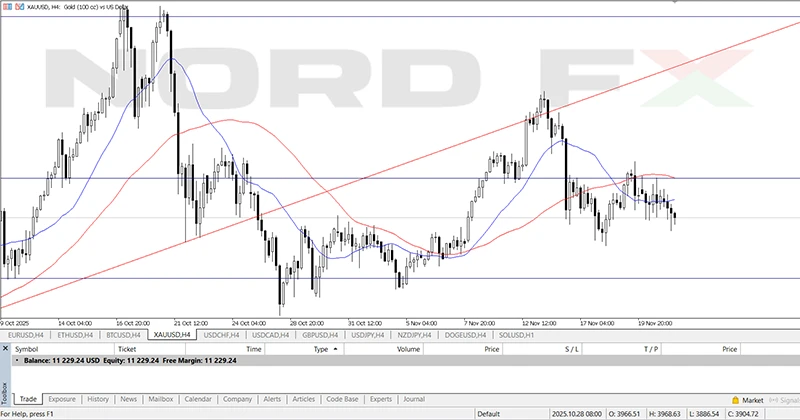
Đánh dấu các mức và xu hướng quan trọng trên biểu đồ vàng
Bắt đầu với các khung thời gian cao hơn (daily và H4):
- Vẽ các mức hỗ trợ và kháng cự ngang tại các đỉnh và đáy lớn nơi giá phản ứng mạnh.
- Kẻ đường xu hướng bằng cách nối các đáy cao hơn trong xu hướng tăng hoặc các đỉnh thấp hơn trong xu hướng giảm.
- Ghi nhận các vùng tích lũy nơi giá đã giao dịch trong biên độ trong thời gian dài.
Sau đó chuyển xuống khung thời gian thấp hơn (H1, M15) để tinh chỉnh điểm vào và ra. Vàng thường tôn trọng các mức tâm lý (ví dụ các số tròn như 2200, 2250, 2300), vì vậy hãy đưa chúng vào phân tích của bạn.
Các chỉ báo phổ biến cho XAUUSD
Một số công cụ thường dùng trên biểu đồ vàng bao gồm:
- Đường trung bình động (MA): MA 20, 50, 100 và 200 kỳ giúp xác định hướng xu hướng và hỗ trợ/kháng cự động.
- RSI (Chỉ số sức mạnh tương đối): Đo động lượng và giúp phát hiện điều kiện quá mua/quá bán hoặc phân kỳ.
- Stochastic Oscillator: Một công cụ động lượng khác, thường dùng trong vùng đi ngang hoặc thiết lập pullback.
- ATR (Average True Range): Đo biến động và rất hữu ích để đặt khoảng dừng lỗ động cho vàng, vốn có thể di chuyển nhanh.
- MACD: Giúp xác định sức mạnh xu hướng và sự thay đổi động lượng qua histogram và giao cắt đường tín hiệu.
- Fair Value Gaps (FVG): Các vùng mà giá di chuyển nhanh, để lại mất cân bằng giữa bên mua và bên bán. Nhà giao dịch đôi khi dùng các khoảng trống này như vùng giá có thể quay lại.
Ví dụ: kết hợp hành động giá với chỉ báo
Hãy tưởng tượng XAUUSD đang trong xu hướng tăng rõ ràng trên H4, với giá nằm trên MA 50 kỳ. Trên H1:
- Giá điều chỉnh từ 2320 xuống 2300, gần MA 50 đang tăng và một đỉnh swing trước đó (nay là hỗ trợ).
- RSI trên H1 giảm từ 70 về 40, hạ bớt trạng thái quá mua mà không phá xuống dưới 30.
- Một cây nến từ chối tăng xuất hiện tại 2300, đóng cửa gần mức cao nhất của nó.
Sự kết hợp giữa mức hỗ trợ + MA + RSI điều chỉnh nhẹ + nến tăng có thể tạo ra một thiết lập mua có xác suất cao hơn trong một xu hướng tăng lớn hơn. Sau đó bạn có thể dùng ATR trên H1 để xác định stop (ví dụ 1–1.5 lần giá trị ATR) nhằm phù hợp với biến động của vàng.
Để biết thêm các kỹ thuật dựa trên chỉ báo, xem Sử dụng chỉ báo kỹ thuật trên biểu đồ vàng: Stochastic, ATR, FVG và hơn thế nữa.
Quản lý rủi ro và cảm xúc trên XAUUSD
Vàng biến động mạnh hơn nhiều cặp tiền FX lớn. Biến động trong ngày 20–30 USD mỗi ounce là bình thường, và các cú spike mạnh có thể xảy ra quanh tin tức. Biến động này có thể hấp dẫn nhưng cũng nguy hiểm nếu bạn dùng đòn bẩy quá lớn hoặc giao dịch theo cảm xúc.
Biến động, stop và đòn bẩy
Vì vàng biến động lớn:
- Stop-loss thường cần rộng hơn (tính theo USD) so với EURUSD.
- Dùng cùng kích thước lot như trên một cặp tiền có thể dẫn đến dao động tài khoản lớn hơn nhiều.
- Đòn bẩy phải được sử dụng cẩn thận; một biến động nhỏ ngược hướng bạn có thể tạo ra mức sụt giảm rất lớn theo tỷ lệ phần trăm.
Cách tiếp cận thực tế là đặt khoảng cách stop-loss dựa trên ATR hoặc các mức swing gần đây, sau đó điều chỉnh lot sao cho rủi ro bằng tiền của bạn được giữ cố định.
Quy tắc rủi ro đơn giản khi giao dịch XAUUSD
Nhiều nhà giao dịch vàng kỷ luật tuân theo các nguyên tắc như:
- Rủi ro mỗi giao dịch: 0.5–2% vốn tài khoản (1% là mức tham chiếu phổ biến).
- Mức lỗ tối đa trong ngày: 3–5% vốn; nếu chạm mức này, dừng giao dịch trong ngày.
- Rủi ro mở tối đa: Tổng rủi ro của tất cả lệnh đang mở nên nằm trong giới hạn xác định trước (ví dụ không quá 3% cùng lúc).
- Sử dụng đòn bẩy: Chọn mức đòn bẩy cho phép bạn đặt lệnh thoải mái với khoảng stop mong muốn mà không mạo hiểm quá lớn với vốn.
Một ví dụ nhỏ:
- Vốn tài khoản: 2,000 USD
- Rủi ro mỗi giao dịch: 1% = 20 USD
- Khoảng stop-loss: 7 USD trên XAUUSD
- Giá trị mỗi 1 lot cho mỗi 1 USD: 100 USD
- Rủi ro mỗi lot: 7 USD × 100 = 700 USD
- Kích thước lot: 20 / 700 ≈ 0.03 lot
Theo cách này, stop-loss của bạn dựa trên biến động thị trường, trong khi rủi ro mỗi giao dịch vẫn được kiểm soát.
Bẫy cảm xúc trong giao dịch vàng
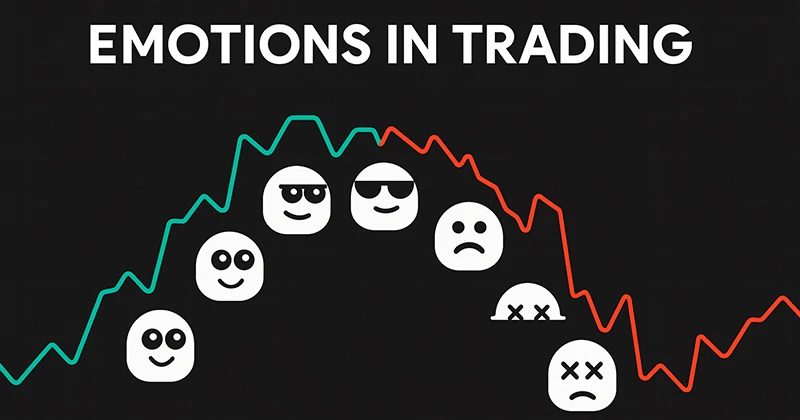
Các cạm bẫy tâm lý phổ biến gồm:
- Đuổi theo spike: Nhảy vào sau một cây nến lớn vì “không muốn bỏ lỡ” cú di chuyển, thường ngay trước khi đảo chiều.
- Nới stop: Dịch stop-loss ra xa hơn khi giá tiến gần nó, biến một khoản lỗ có thể chấp nhận thành một khoản lỗ lớn.
- Giao dịch trả đũa: Sau khi lỗ trên vàng, ngay lập tức mở vị thế mới lớn hơn để “gỡ lại”.
- Giao dịch quá mức: Liên tục vào nhiều lệnh bốc đồng khi thấy giá biến động mạnh.
Để giảm giao dịch theo cảm xúc:
- Xác định chiến lược và quy tắc rủi ro bằng văn bản trước phiên giao dịch.
- Dùng cảnh báo hoặc lệnh chờ thay vì nhìn chằm chằm vào từng tick.
- Ghi lại giao dịch trong nhật ký để nhận ra các mẫu hành vi của bạn.
- Nghỉ giải lao thường xuyên, đặc biệt sau các chuỗi thắng hoặc thua lớn.
Để có khung làm việc có cấu trúc hơn, xem Quản lý rủi ro khi giao dịch vàng: Xác định khối lượng vị thế và kiểm soát biến động và Tâm lý và các lỗi phổ biến trong giao dịch vàng.
Vàng trong kế hoạch giao dịch và đầu tư đa dạng hóa
Vàng không nên tồn tại một cách tách biệt trong danh mục của bạn. Nó có thể đóng nhiều vai trò bên cạnh các cặp tiền chính, chỉ số chứng khoán và tiền điện tử.
Vàng như một phần của danh mục rộng hơn
Trong một kế hoạch giao dịch hoặc đầu tư đa dạng hóa, vàng có thể là:
- Một công cụ phòng hộ: Khi cổ phiếu hoặc tài sản rủi ro giảm, vàng thường (nhưng không phải lúc nào) tăng hoặc giảm ít hơn, giúp làm mượt dao động danh mục.
- Một tài sản cốt lõi: Một số nhà giao dịch luôn giữ một phần vốn gắn với vàng, thông qua nắm giữ dài hạn hoặc chiến lược giao dịch định kỳ.
- Một tài sản đa dạng hóa: Động lực của vàng khác với cổ phiếu riêng lẻ hoặc một đồng tiền đơn lẻ, nên tương quan của nó có thể thay đổi theo thời gian.
Bên cạnh XAUUSD, nhà giao dịch có thể theo dõi các cặp tiền lớn (EURUSD, GBPUSD), các chỉ số chứng khoán (ví dụ S&P 500, DAX) và tiền điện tử như Bitcoin hoặc Ethereum. Mỗi công cụ có hồ sơ rủi ro riêng; vàng thường gần với nhóm tài sản trú ẩn hơn, dù vẫn có thể rất biến động.
So sánh vàng với các tài sản trú ẩn khác và Bitcoin
Bạn có thể so sánh khái quát:
Tài sản | Loại | Vai trò điển hình | Rủi ro chính |
Vàng | Vật chất/CFD | Trú ẩn an toàn, hàng rào chống lạm phát | Biến động, không có lợi suất |
USD | Tiền pháp định |