بازارهای مالی تنها با اعداد هدایت نمیشوند. قیمتها به این دلیل حرکت میکنند که میلیونها شرکتکننده اطلاعات را تفسیر میکنند، به صورت احساسی واکنش نشان میدهند و تحت فشار عمل میکنند. به همین دلیل است که احساسات بازار - حالت جمعی معاملهگران و سرمایهگذاران - نقش مهمی در دینامیک قیمتها ایفا میکند. یکی از محبوبترین روشها برای پیگیری این حالت، شاخص ترس و طمع است.
برای بسیاری از معاملهگران، به ویژه کسانی که در مراحل ابتدایی و میانی هستند، درک احساسات میتواند به توضیح این که چرا بازارها گاهی به روشهایی که به نظر غیرمنطقی میرسند رفتار میکنند، کمک کند. روندهای قوی اغلب بیشتر از حد انتظار ادامه مییابند، در حالی که بازگشتهای شدید اغلب زمانی رخ میدهند که اکثر شرکتکنندگان متقاعد شدهاند که حرکت هرگز پایان نخواهد یافت. شاخص ترس و طمع برای تجسم این افراطهای احساسی و کمک به معاملهگران در قرار دادن عملکرد قیمت در زمینه ایجاد شده است.
این مقاله توضیح میدهد که شاخص ترس و طمع چیست، چگونه کار میکند و چگونه معاملهگران میتوانند از آن به عنوان بخشی از یک رویکرد معاملاتی متعادل در کنار سایر مطالب آموزشی موجود در بخش مقالات مفید NordFX استفاده کنند.
معنای احساسات بازار در معاملات
احساسات بازار نشان میدهد که آیا اکثریت شرکتکنندگان نسبت به حرکات قیمتی آینده خوشبین یا بدبین هستند. زمانی که احساسات مثبت است، معاملهگران بیشتر مایل به پذیرش ریسک، خرید داراییها و نگهداشتن موقعیتها هستند. زمانی که احساسات منفی میشود، حفظ سرمایه اولویت پیدا میکند، فشار فروش افزایش مییابد و نوسانات اغلب افزایش مییابد.
احساسات با تحلیل بنیادی یا تحلیل تکنیکال یکسان نیست. تحلیل بنیادی بر دادههای اقتصادی، درآمدها و ارزشگذاریها تمرکز دارد. تحلیل تکنیکال رفتار قیمت و الگوهای نموداری را مطالعه میکند. احساسات، از سوی دیگر، به روانشناسی نگاه میکند. به سوالاتی مانند اینکه آیا معاملهگران مطمئن یا عصبی، تهاجمی یا دفاعی هستند پاسخ میدهد - موضوعاتی که اغلب در تحلیلها و بینشهای بازار گستردهتر مورد بحث قرار میگیرند.
مهم است که بدانیم احساسات تمایل به چرخهای بودن دارند. دورههای خوشبینی بیش از حد اغلب با اصلاحات دنبال میشوند، در حالی که بدبینی شدید اغلب در نزدیکی کفهای بازار ظاهر میشود. این به این معنا نیست که احساسات میتوانند نقاط چرخش دقیق را پیشبینی کنند، اما میتوانند نشان دهند که ریسک در حال افزایش است.
شاخص ترس و طمع چیست
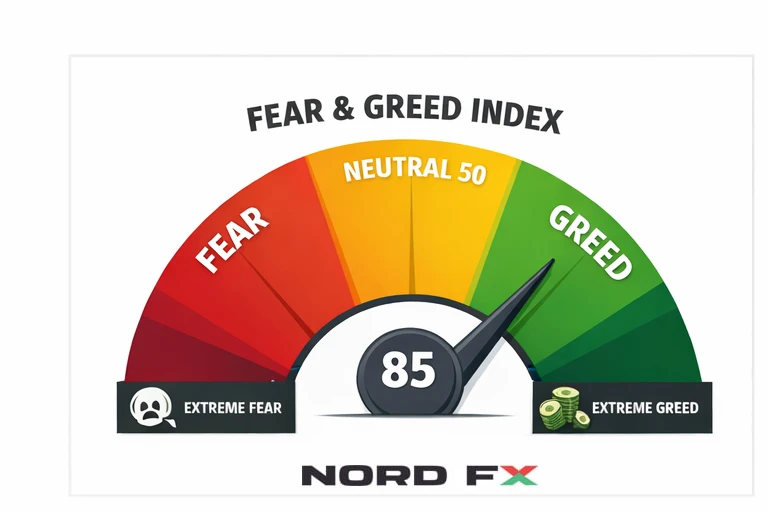
شاخص ترس و طمع یک شاخص ترکیبی است که برای اندازهگیری احساسات کلی بازار در مقیاسی از 0 تا 100 طراحی شده است. مقادیر پایینتر نشاندهنده ترس هستند، در حالی که مقادیر بالاتر طمع را نشان میدهند. ایده ساده است: زمانی که ترس غالب است، بازارها ممکن است به دلیل فروش وحشتناک کمارزش باشند؛ زمانی که طمع غالب است، بازارها ممکن است به دلیل خوشبینی بیش از حد بیشارزش باشند.
این شاخص از طریق استفاده توسط CNN برای بازارهای سهام به خوبی شناخته شده است، اما شاخصهای مشابهی برای ارزهای دیجیتال و سایر کلاسهای دارایی نیز وجود دارد. صرف نظر از منبع، منطق یکسان باقی میماند: احساسات بر تصمیمگیری تأثیر میگذارد و احساسات شدید اغلب با افزایش ریسک همزمان میشوند.
مقیاس معمولاً به مناطق تقسیم میشود. خوانشهای بسیار پایین نشاندهنده ترس شدید، مقادیر متوسط نشاندهنده احساسات خنثی و خوانشهای بسیار بالا نشاندهنده طمع شدید هستند. معاملهگران از این مناطق به عنوان ابزاری زمینهای استفاده میکنند نه به عنوان یک سیگنال خرید یا فروش مستقیم.
چگونه شاخص ترس و طمع محاسبه میشود
شاخص ترس و طمع بر اساس یک معیار واحد نیست. در عوض، چندین شاخص را که جنبههای مختلف رفتار بازار را منعکس میکنند، ترکیب میکند. در حالی که اجزای دقیق میتوانند بسته به ارائهدهنده متفاوت باشند، معمولاً شامل معیارهایی مرتبط با حرکت قیمت، نوسانات، گستردگی بازار و تقاضا برای داراییهای امن هستند.
به عنوان مثال، حرکت صعودی قوی و افزایش حجمها تمایل دارند شاخص را به سمت طمع سوق دهند. افزایش نوسانات، کاهش قیمتها و تغییر به داراییهای دفاعی معمولاً خوانشهای ترس را افزایش میدهند. با ترکیب ورودیهای متعدد، شاخص سعی دارد تصویر گستردهتری از احساسات ارائه دهد تا به یک سیگنال واحد تکیه کند، مشابه نحوه تحلیل شرایط گستردهتر بازار در اخبار و تحلیلهای بازار NordFX.
مهم است که درک کنیم شاخص شرایط فعلی را منعکس میکند. پیشبینی قیمتهای آینده را نمیکند. ارزش آن در نشان دادن این است که یک معامله چقدر شلوغ است و محیط بازار چقدر احساسی شده است.
مراحل ترس و طمع و رفتار بازار
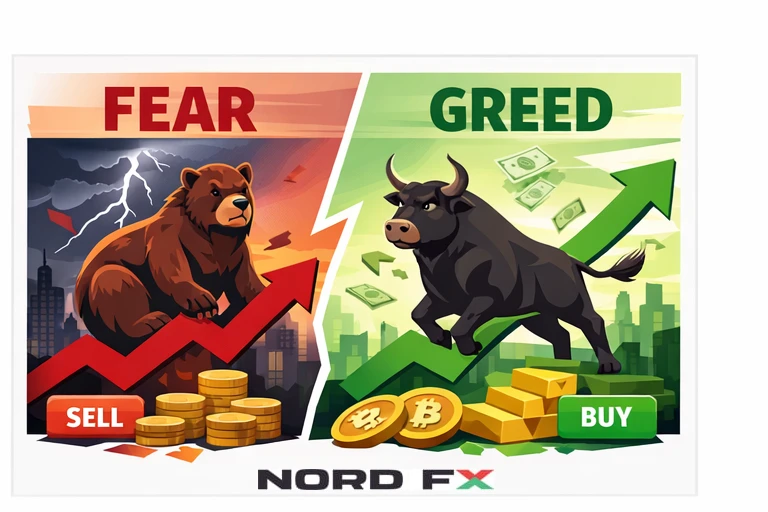
زمانی که ترس غالب است، معاملهگران اغلب بر اجتناب از ضررها تمرکز میکنند. موقعیتها به سرعت بسته میشوند، مواجهه با ریسک کاهش مییابد و حتی اخبار مثبت ممکن است نادیده گرفته شوند. قیمتها میتوانند در چنین دورههایی به شدت کاهش یابند، گاهی اوقات از ارزش منصفانه فراتر روند. این محیط ناراحتکننده است، اما میتواند فرصتهایی برای معاملهگران صبور که منتظر تأیید کاهش فشار فروش هستند، ارائه دهد.
در مراحل طمع، اعتماد به نفس بالا است. معاملهگران انتظار دارند قیمتها به افزایش ادامه دهند، افتها به سرعت خریداری میشوند و مدیریت ریسک ممکن است کمتر منظم شود. این میتواند به روندهای طولانی منجر شود، اما همچنین به آسیبپذیری. زمانی که احساسات به شدت خوشبینانه است، حتی شگفتیهای منفی کوچک میتوانند اصلاحات ناگهانی را تحریک کنند.
درک این مراحل به معاملهگران کمک میکند تا انتظارات را مدیریت کنند. به جای واکنش احساسی به حرکات قیمت، تحلیل احساسات دیدگاه ساختارمندتری از رفتار بازار را تشویق میکند.
چگونه معاملهگران میتوانند از شاخص ترس و طمع استفاده کنند
شاخص ترس و طمع به عنوان یک شاخص پشتیبانیکننده بهترین استفاده را دارد، نه به عنوان یک سیستم معاملاتی مستقل. یک رویکرد عملی این است که از آن به عنوان فیلتری برای ریسک استفاده کنید. زمانی که احساسات به سطوح شدید میرسد، معاملهگران ممکن است تصمیم بگیرند اندازه موقعیت را کاهش دهند، توقفها را محکم کنند یا از دنبال کردن حرکات قیمت اجتناب کنند.
استفاده دیگر تأیید است. به عنوان مثال، اگر تحلیل تکنیکال نشاندهنده یک بازگشت احتمالی باشد و احساسات نشاندهنده ترس یا طمع شدید باشد، ممکن است تنظیمات نیاز به توجه بیشتری داشته باشد. برعکس، اگر احساسات خنثی باشد، معاملهگران ممکن است بیشتر به سیگنالهای تکنیکال یا بنیادی تکیه کنند.
شاخص همچنین میتواند به معاملهگران کمک کند تا به احساسات خود فکر کنند. اگر بازار گستردهتر نشاندهنده ترس یا طمع شدید باشد، ارزش دارد که بپرسید آیا تصمیمات شخصی تحت تأثیر همان احساسات قرار گرفتهاند. این آگاهی به تنهایی میتواند انضباط را بهبود بخشد، به ویژه برای کسانی که تازه سفر معاملاتی خود را با NordFX آغاز میکنند.
ترکیب احساسات با تحلیل تکنیکال
تحلیل احساسات زمانی مؤثرتر میشود که با ابزارهای تکنیکال ترکیب شود. سطوح حمایت و مقاومت، خطوط روند و شاخصهای حرکت میتوانند به شناسایی مناطقی که افراطهای احساسی ممکن است به واکنشهای قیمتی معنادار منجر شوند، کمک کنند.
به عنوان مثال، خوانشهای ترس شدید در نزدیکی یک منطقه حمایت بلندمدت ممکن است نشاندهنده این باشد که فشار فروش به نقطه خستگی رسیده است. خوانشهای طمع شدید در نزدیکی مقاومت ممکن است نشاندهنده این باشد که پتانسیل صعودی محدود شده است. در هر دو مورد، احساسات جایگزین تحلیل تکنیکال نمیشود، بلکه به آن زمینه اضافه میکند.
این ترکیب به معاملهگران اجازه میدهد تا از تصمیمات صرفاً احساسی اجتناب کنند و بر تنظیمات مبتنی بر احتمال که با رویکردهای معاملاتی منظم همسو هستند، تمرکز کنند.
کاربرد مفهوم ترس و طمع در بازارهای مختلف
اگرچه شاخص ترس و طمع اغلب با بازارهای سهام مرتبط است، اصل زیربنایی آن به همه ابزارهای معاملهشده اعمال میشود. بازارهای فارکس در دورههای استرس مالی ترس را تجربه میکنند و در محیطهای ریسکپذیر قوی طمع را تجربه میکنند. طلا اغلب زمانی که ترس افزایش مییابد سود میبرد، در حالی که داراییهای ریسکپذیر تمایل دارند در مراحل طمع بهتر عمل کنند.
در بازار ارزهای دیجیتال، چرخههای احساسات میتوانند حتی بیشتر برجسته شوند. حرکات سریع قیمت، روایتهای قوی و مشارکت خردهفروشی نوسانات احساسی را تقویت میکنند. شاخصهای احساسات در ارزهای دیجیتال به همین دلیل به عنوان راهی برای سنجش رفتار جمعیت، به ویژه در حرکات پارابولیک یا فروشهای شدید، به طور گسترده دنبال میشوند.
صرف نظر از دارایی، ایده کلیدی یکسان باقی میماند: احساسات بر قیمتها تأثیر میگذارد و احساسات شدید ریسک را افزایش میدهد.
محدودیتهای شاخص ترس و طمع
با وجود مفید بودن آن، شاخص ترس و طمع محدودیتهای واضحی دارد. نمیتواند نقاط چرخش دقیق را پیشبینی کند و بازارها میتوانند بیشتر از حد انتظار ترسناک یا طمعکار باقی بمانند. اقدام زودهنگام در برابر یک روند قوی میتواند هزینهبر باشد.
شاخص همچنین بر اساس دادههای تاریخی و فعلی است، به این معنی که به آنچه قبلاً اتفاق افتاده واکنش نشان میدهد. رویدادهای خبری ناگهانی یا تغییرات در شرایط اقتصاد کلان میتوانند به سرعت احساسات را تغییر دهند.
به همین دلایل، شاخص نباید به تنهایی استفاده شود. معاملهگرانی که تنها به احساسات تکیه میکنند بدون در نظر گرفتن ساختار قیمت، مدیریت ریسک و زمینه گستردهتر بازار ممکن است با نتایج ناپایدار مواجه شوند.
مدیریت ریسک و انضباط
یکی از بزرگترین مزایای تحلیل احساسات، کمک آن به انضباط است. شناخت افراطهای احساسی معاملهگران را تشویق میکند تا سرعت خود را کاهش دهند، ریسک را مجدداً ارزیابی کنند و از تصمیمات عجولانه اجتناب کنند. این با اصول مدیریت ریسک صحیح همخوانی دارد.
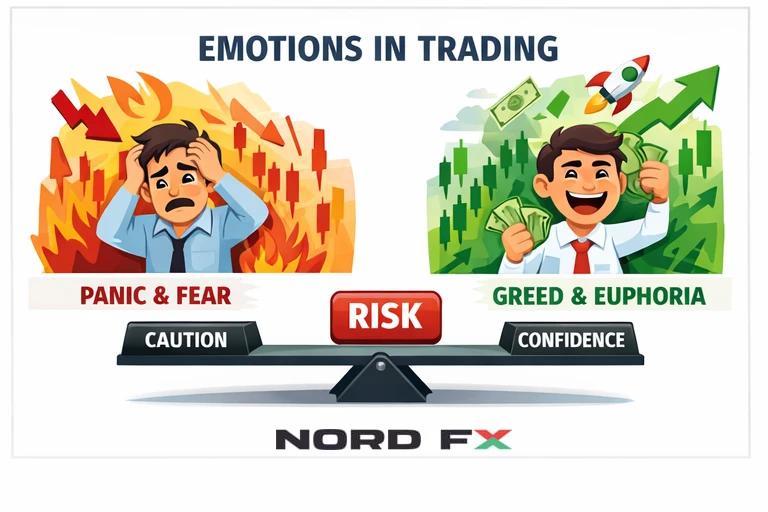
کاهش مواجهه در بازارهای احساسی، حفظ انتظارات واقعبینانه و پایبندی به استراتژیهای از پیش تعریف شده همگی از طریق آگاهی از احساسات پشتیبانی میشوند. با گذشت زمان، این رویکرد میتواند به معاملهگران کمک کند تا سبک معاملاتی سازگارتر و کنترلشدهتری را توسعه دهند.
افکار نهایی
شاخص ترس و طمع راهی ساده اما قدرتمند برای تجسم روانشناسی بازار ارائه میدهد. با ترجمه احساسات جمعی به یک مقیاس قابل اندازهگیری، به معاملهگران کمک میکند تا بفهمند که چه زمانی بازارها ممکن است بیشتر تحت تأثیر احساسات قرار گیرند تا اصول بنیادی.
در صورت استفاده صحیح، شاخص به معاملهگران نمیگوید چه چیزی بخرند یا بفروشند. در عوض، زمینه فراهم میکند، مناطق ریسک بالقوه را برجسته میکند و از تصمیمگیری بهتر پشتیبانی میکند. زمانی که با تحلیل تکنیکال و مدیریت ریسک قوی ترکیب شود، شاخصهای احساسات میتوانند به بخش ارزشمندی از جعبهابزار معاملهگر تبدیل شوند.
در بازارهایی که احساسات اغلب بالا میرود، یادگیری شناخت ترس و طمع میتواند به همان اندازه مهم باشد که تحلیل نمودارها یا دادههای اقتصادی.
Quay lại Quay lại